
Eyelet curtains have a clean, modern appearance and slide directly along a curtain rod through the metal rings at the top. When installed correctly, they create even folds and a smooth drape. When the rod, measurements, fabric width, or eyelet spacing is wrong, the curtains can look uneven, stiff, or bunched.
Getting eyelet curtains to hang properly starts before installation. You need the right rod, accurate measurements, enough fabric fullness, and correct positioning.
Here is how to achieve a neat and balanced finish.
Choose the Right Curtain Rod
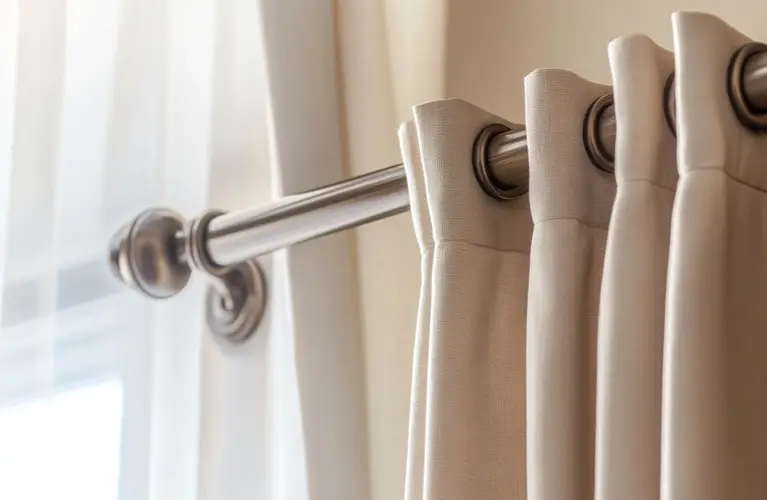
Eyelet curtains need a compatible curtain rod because the fabric hangs directly from the rod through the eyelets. The rod should be strong enough to support the curtain panels without bending.
Measure the rod before ordering your curtains. The curtain rod should extend beyond the window so the panels have enough space to stack when opened. The site’s curtain rod range includes options designed for sheer and blockout curtains, with different sizes and finishes.
The rod diameter also matters. A rod that is too thick might not pass smoothly through the eyelets. A very thin rod might not provide the visual balance or support required for heavier curtains.
Measure the Window and Rod Correctly
One of the most common reasons curtains hang poorly is incorrect measurement.
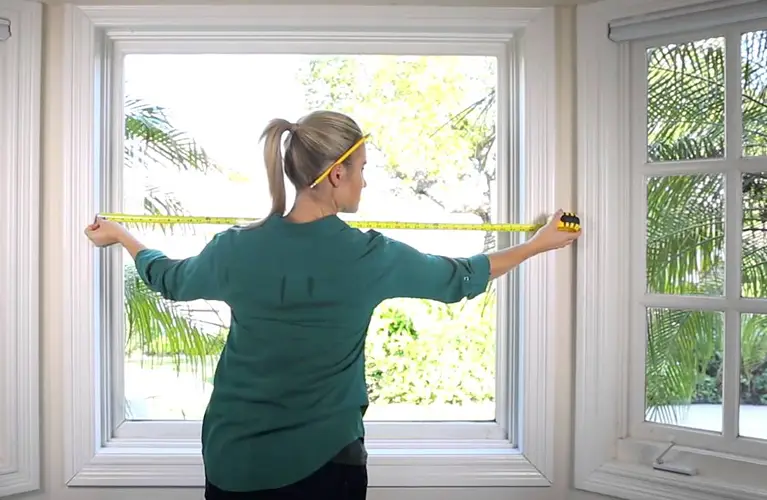
For eyelet curtains, start by measuring the curtain rod rather than measuring only the window glass. The rod determines the total width the curtains need to cover. This approach also gives you better control over the curtain stack and coverage.
Measure the desired curtain drop from the top of the rod to where you want the fabric to finish. Floor-length curtains often create a clean appearance in bedrooms and living rooms.
If the window is unusually wide or tall, professional measurement helps reduce sizing errors.
Get Enough Curtain Fullness
Curtain fullness affects how the fabric folds after hanging.
If the curtain is too narrow, the panels might look flat and stretched. If there is enough fabric width, the material forms softer and more consistent folds.
The amount of fullness depends on the fabric, window size, desired appearance, and curtain style. Lightweight fabrics often create a softer look, while heavier fabrics produce more structured folds.
Eyelet curtains from Blackout Curtain are made to measure, with different fabrics and styles available for residential and commercial spaces.
Space the Eyelets Evenly
Eyelet spacing affects the way the curtain falls.
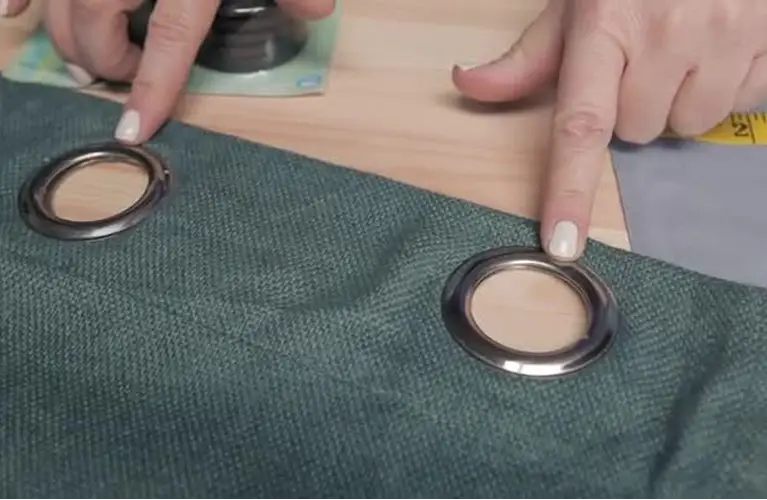
The rings should be evenly positioned along the curtain header. Consistent spacing helps distribute the fabric and creates regular folds across the panel.
If the eyelets are poorly positioned or the panel is not made to suit the required width, the folds might appear uneven after installation.
For this reason, made-to-measure eyelet curtains are useful when you need a specific width or drop.
Install the Rod Level
A curtain rod that is not level will affect the entire appearance of the curtains.
Before tightening the brackets, use a level to check the rod. Both ends should sit at the same height unless your installation requires a specific angle.
The wall brackets also need to be securely fixed. This is particularly important for heavier blackout fabrics, wide windows, and long curtain rods.
The installation process on the site’s eyelet curtain page includes professional window measurements, suitable hardware, and installation.
Thread the Eyelets Onto the Rod Correctly
Once the rod is installed, thread the curtain through the eyelets in sequence.
Do not twist the curtain panel while sliding it onto the rod. Keep the fabric facing the correct direction and check the first few folds as you move across the rod.
Make sure every eyelet sits fully around the rod. The panel should move smoothly without catching on brackets or finials.
Eyelet curtains are designed to slide directly along the rod, so they do not require separate curtain rings or hooks.
Train the Folds After Hanging
New curtains do not always fall perfectly as soon as you hang them.
Once the panels are in position, gently arrange the fabric into consistent folds. Run your hands down the curtain to establish the direction of each fold.
You can also use a steamer to remove packaging creases and help the fabric settle. Keep the steamer at a suitable distance and follow the fabric care instructions.
Avoid pulling the fabric aggressively because this can affect the shape of the folds or put unnecessary strain on the eyelets.
Choose the Right Fabric for the Room
Fabric weight has a direct effect on how eyelet curtains hang.
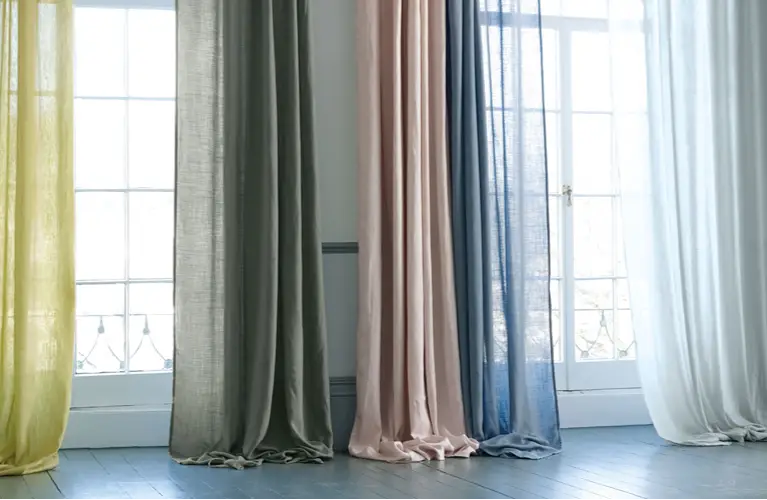
Lightweight voile and sheer fabrics create softer folds and allow more daylight into the room. A sheer window curtain works well when your main goal is to filter sunlight and create a lighter appearance.
For bedrooms or rooms where stronger light control is important, consider a blackout window curtain. Blackout fabrics are available in eyelet styles and are designed for stronger light management and privacy.
If you want to compare different eyelet styles and materials, you can also explore grommet curtains in Dubai. Eyelet and grommet curtains use the same basic ring-top concept, with the curtain panel sliding directly along the rod.
Avoid Common Hanging Problems
Several simple mistakes can affect the final appearance of eyelet curtains.
Avoid using a rod that is too weak for the fabric weight. Do not measure only the window frame. Avoid uneven brackets or an unlevel rod. Also, do not choose a curtain panel with insufficient width.
For large windows, pay particular attention to rod strength and support. The site’s eyelet curtain guidance recommends strong rod or pole systems and suitable brackets for large windows.
Consider Double-Layer Curtains
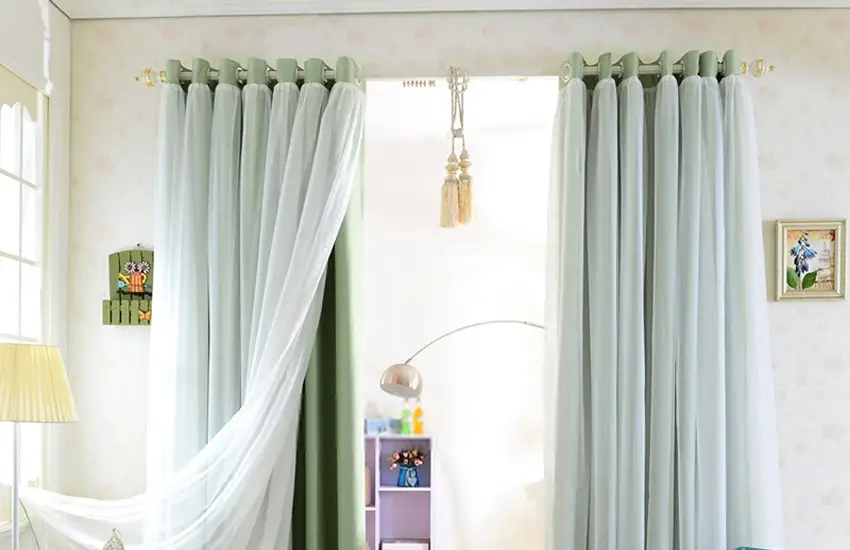
You do not have to choose between sheer and blackout fabrics. Double-layer curtain setups combine both functions.
Use the sheer layer during the day to soften natural light. Close the blackout layer when you need stronger privacy or light control.
The site’s sheer curtain collection includes double-layer combinations using sheer and blackout fabrics.
For more ideas, explore the range of Blackout Curtains for different fabrics, styles, and window treatments.
Final Thoughts
Getting eyelet curtains to hang properly depends on more than simply sliding them onto a rod. Start with accurate measurements and suitable hardware. Choose enough fabric width for the desired fullness, keep the eyelets evenly spaced, and install the rod level.
After hanging, arrange the folds and remove creases with suitable fabric care. The right combination of rod, fabric, measurements, and installation will give your eyelet curtains a smoother and more balanced appearance.

